
Keeping projects at human scale, embracing Cambodian tradition of hospitality and openness, adding that 'French touch' that naturally became part of the hospitality and culinary landscape...
From independent restaurants and bakeries to structured hospitality groups and agricultural innovation, these initiatives share a common thread: long-term commitment, adaptation to local realities, and a passion for all things Cambodian.
MAADS sets out to discover the story behind Pépé Bistro & Tatie’s, Thalias Hospitality, and La Plantation.
Aude's Haunts Link to Aude's Haunts section
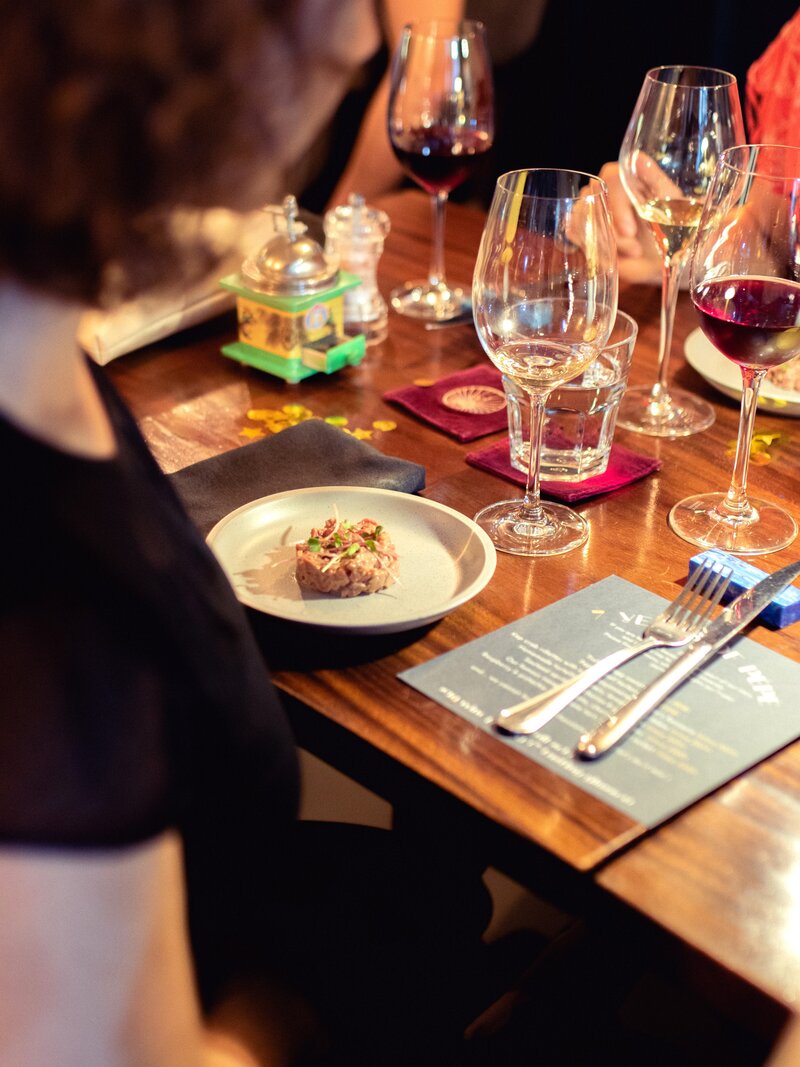
"Back at that time, there wasn’t necessarily a wide range of French restaurants in Phnom Penh", recalled Aude Moulard, the former French Embassy chef who opened Pépé Bistro in 2018, "a small, creative place focusing on quality, simplicity, and consistency, with menus largely built around locally sourced ingredients".
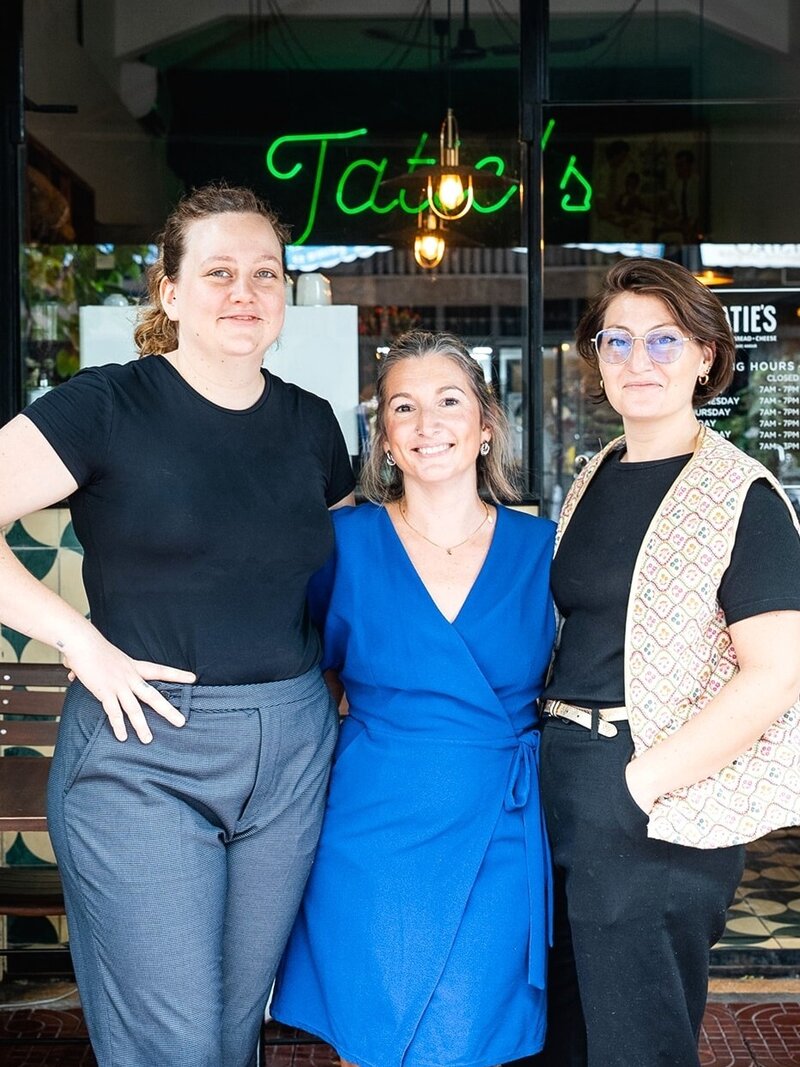
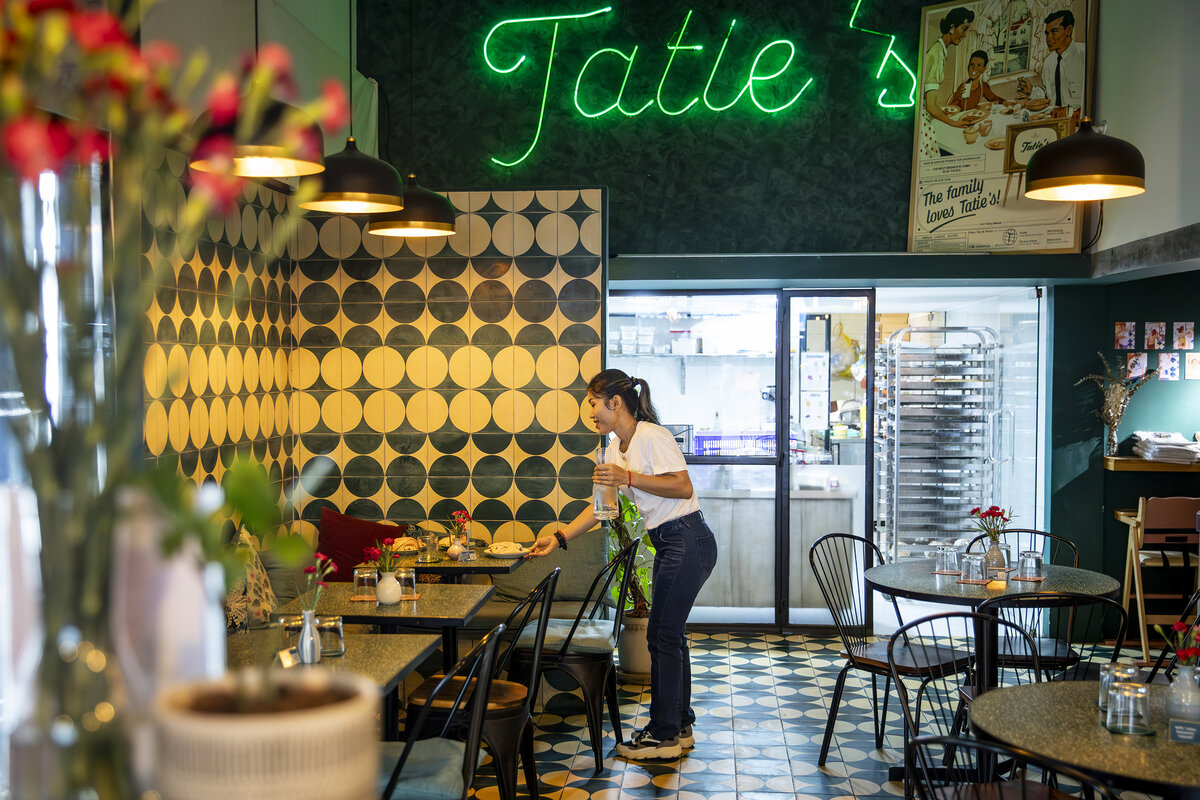
The location, Street 13, was attractive both for Cambodian customers - a lively area near Phsa Kandal popular market - and for international visitors, a few steps from the National Museum of Cambodia's cultural treasures. Aude adjusted so well to the environment that she decided to open a concept store right across the street in 2021, Tatie’s, this time in association with two friends and entrepreneurs, Hélène Grégoire and Béatrice Gerez.
Due to Covid restrictions, the new bakery-pastry-cheese retail shop had to work around its initial plan to offer artesan products from France. “Faced with shortages, we refocused a lot on local products,” remarked Aude. She also developed a passion for making cheese using local milk, while Hélène was making traditional French baguettes. With a range of homemade pastries, Tatie's evolved into an intimate coffee-shop and shop.
Their concept was so successful that they launched a second Tatie's in 2023 in Phnom Penh, this time on Street 110, two blocks from Vattanac Tower, attracting office workers especially with breakfast sets. Now well established in their sector, the three partners want to enjoy what they have created before thinking about future expansion.
Their passion for Cambodia has never wavered, and they look to the future with enthusiasm. “Phnom Penh is a big city that is becoming increasingly attractive, while still retaining its authentic feel,” said Aude. She is confident that Cambodians “will continue to enjoy French food, which has a charm that appeals to everyone.”
Quest for Excellence - The Thalias Way Link to Quest for Excellence - The Thalias Way section
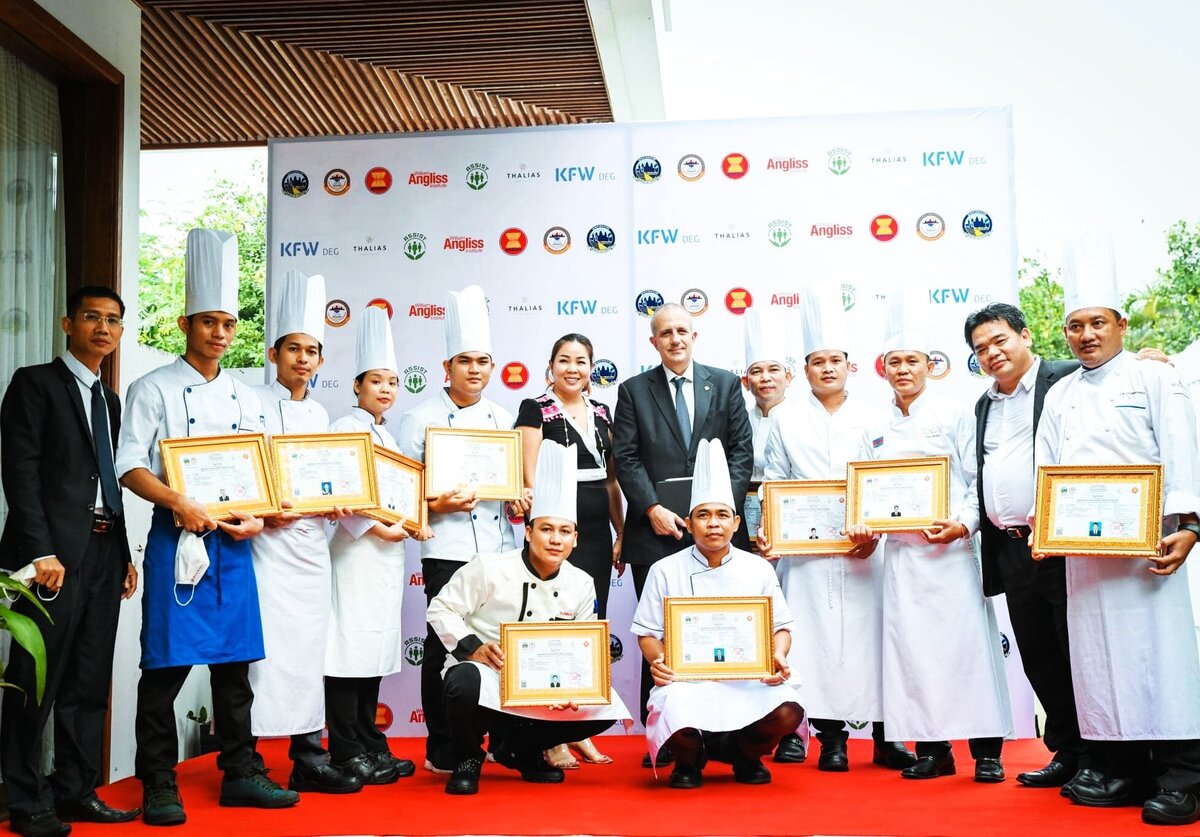
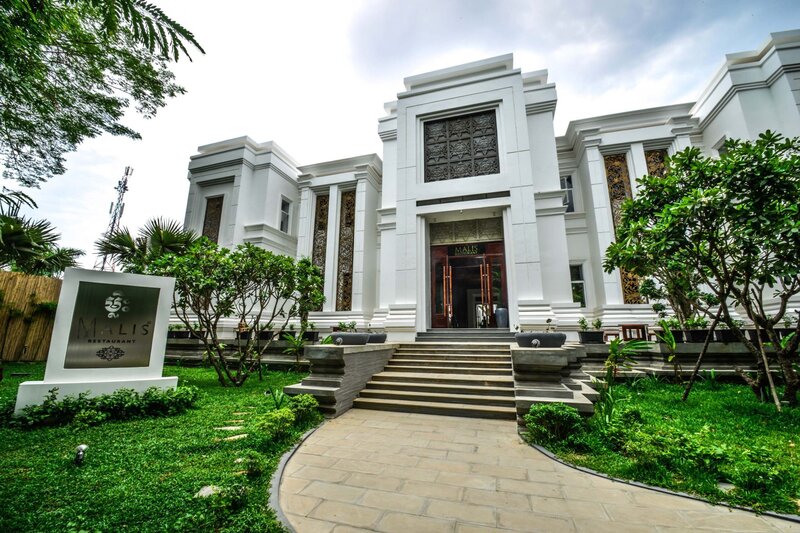
A seasoned brand still feeling young and novel - at the time we were gathering material for this post before Khmer New Year 2026, Thalias - a substantial part of the Cambodian hospitality with a 500-strong full-time team - was joined by the ever young and creative Sao Sopheak as Head Chef of Malis Restaurant in Siem Reap.
Topaz, their first operation under the culinary supervision of Chef Pov Sopheak, dates back to 1997, when Phnom Penh hospitality scene was still in search for a basis for renewed growth and a distinctive voice in Southeast Asia. The brain child of Arnaud Darc, Thalias founder and current CEO, it was conceived as an epitome of French -after a brief attempt with Thai cuisine- high gastronomy with all required strappings - refined decor and decorum, impressive wine cellar - and remained as such for the next two decades.
With its high standard, Topaz served as test bench for the group when it was formally structured in 2009, when it was all about "growing inside Cambodia's realities - availability of products, talent development needs, infrastructure constraints - and therefore building strong internal capabilities to ensure consistency, care and sustainability”, to quote Nicolas Juralina, current Director of Food and Beverage and a key figure of the whole operation for more than 14 years.
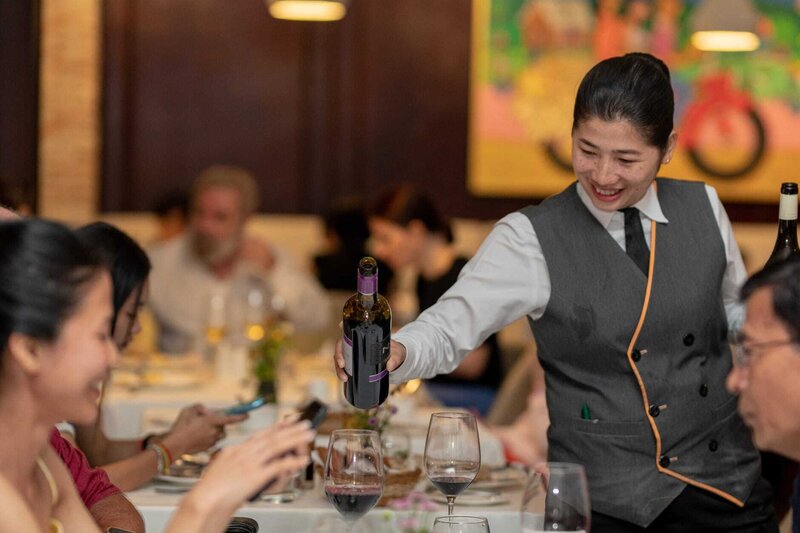
This philosophy is reflected across its brands. Khéma was created to make French bakery and bistro culture accessible to many, relying on internal production and training to ensure consistency. Malis, in turn, was designed to give Cambodian cuisine the space and recognition it deserves, approaching it as a culture in constant evolution rather than a tourist attraction. Different in concept, both brands share the same foundation: flexibility without any compromise on quality.
Each brands keeps its respective identity, the shared value being "attention to the customer experience", according to Nicolas Juralina: “Attention to detail, cleanliness and safety discipline, topped up with a ‘warm but precise’ hospitality style”. Over the years, the Group has established clear and structured procedures, implemented HACCP [1] standards, and provided training on food safety. Co-founder of the Cambodia Restaurant Association, Thalias is proud to help in the advancement of the entire Cambodian hospitality industry, while considering a regional expansion in the coming years.
[1] HACCP = Hazard Analysis Critical Control Point.
Adding Pepper to Life Link to Adding Pepper to Life section
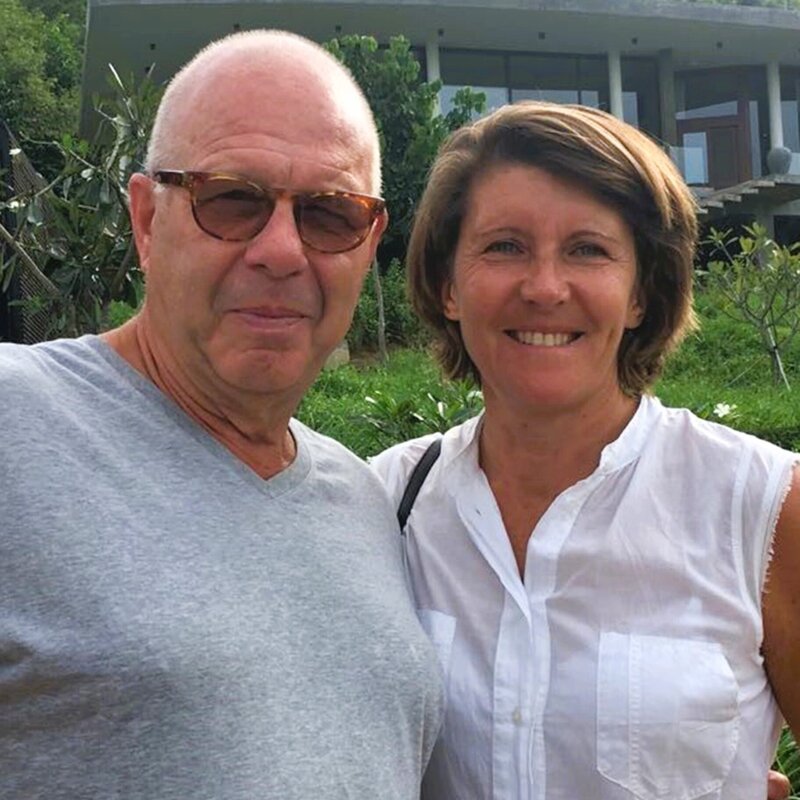
The story of La Plantation began in 2013 when Nathalie Chaboche and Guy Porré, a French-Belgian couple, bought a plot of land 30 minutes from the town of Kampot on the southern coast of Cambodia, and started to explore pepper cultivation, a local, time-honored production that .
After a first harvest of peppercorns and long peppers in 2016 and the opening of the farm to visitors, La Plantation is now a major player in the Cambodian spice and condiments field, as the company, branded Fair Spices Producer, has continued to launch new products: “We also offer a wide range of exclusive curries, spice blends, sauces, herbal teas, and snack products like pepper-dried fruits and cashew nuts”, noted General Manager Arnaud Vincent.
A key economic and tourist player in the region, La Plantation also significantly improves the living conditions of its farmers, their families, and the surrounding community. According to Arnaud Vincent, “we support education from primary school to university and improve local school infrastructure." In addition to generating stable and equitable employment, developing agricultural cooperatives across several provinces, and integrating 300 employees into an intercultural environment focused on skills development and long-term commitment.
La Plantation works with around one hundred family farms across Cambodia, helping farmers earn stable incomes while raising standards through organic farming, fair trade practices, and strict quality control. With centralized production, ISO certification, and exports to nearly fifty countries, the brand has helped to put Cambodian pepper and spices on the global map.
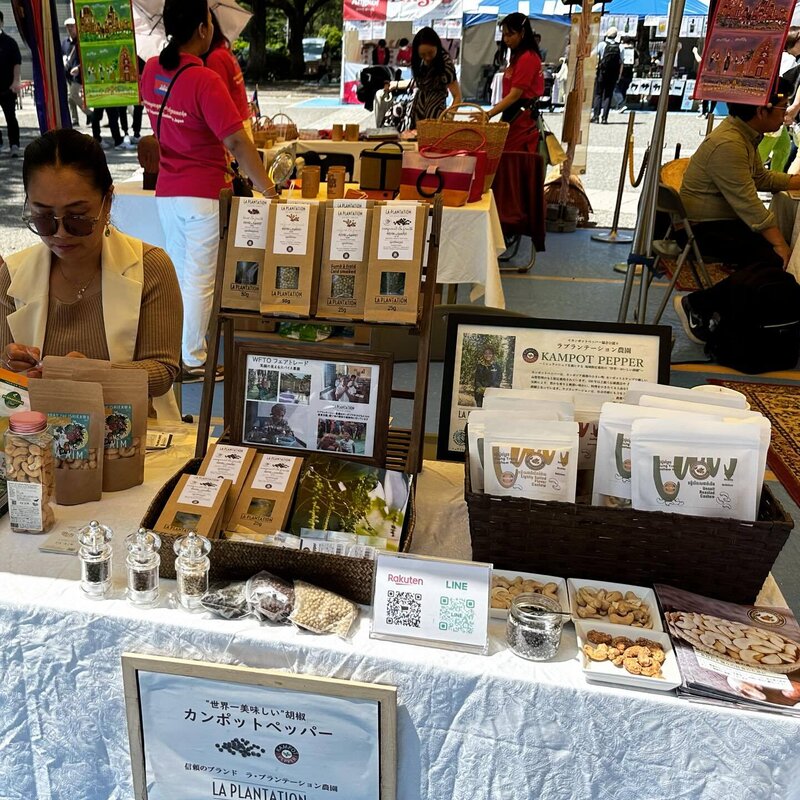
La Plantation also helps in the international promotion of Kampot pepper, salt and spices with outlets in Japan and Canada, as well as pop-up stands in major food events worldwide. And with three stores operated in Kampot, Phnom Penh and Siem Reap, as well as ecommerce platforms, it is easy to shop through a large choice of spices and condiments such as the exquisite Kampot fleur de sel, a rare sea salt hand-harvested from the thin crust on the surface of seawater evaporating in coastal marshes.
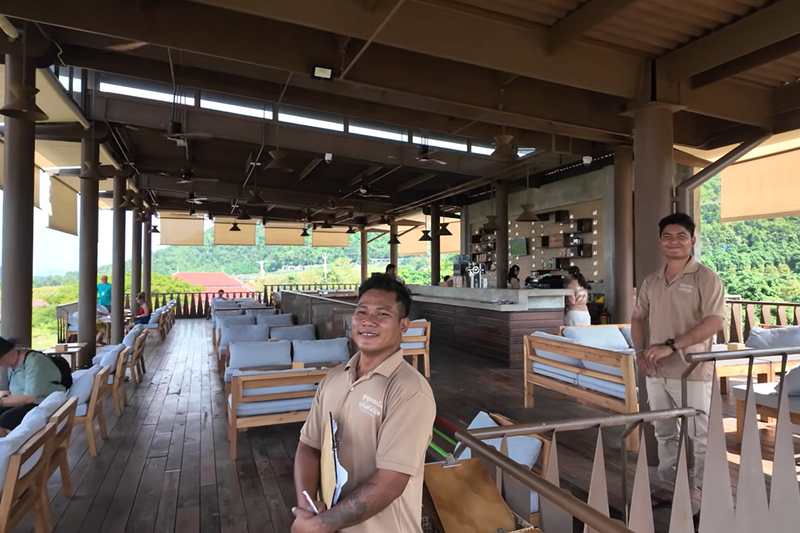
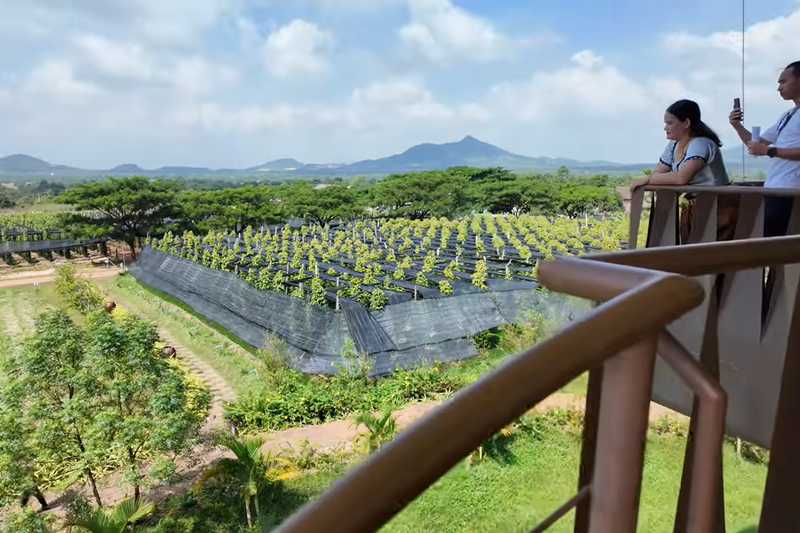
On the hospitality side, the farm, villa and Spice Bar (also designed by K-Architecture) create jobs from entry level to management and keep money circulating locally through short supply chains. Visitors discover Cambodia beyond Angkor: rural, authentic, and firmly rooted to the land and its communities. No wonder La Plantation was distinguished in Social Responsibility category at the France Cambodia Chamber of Commerce Business Awards 2025.
______________________
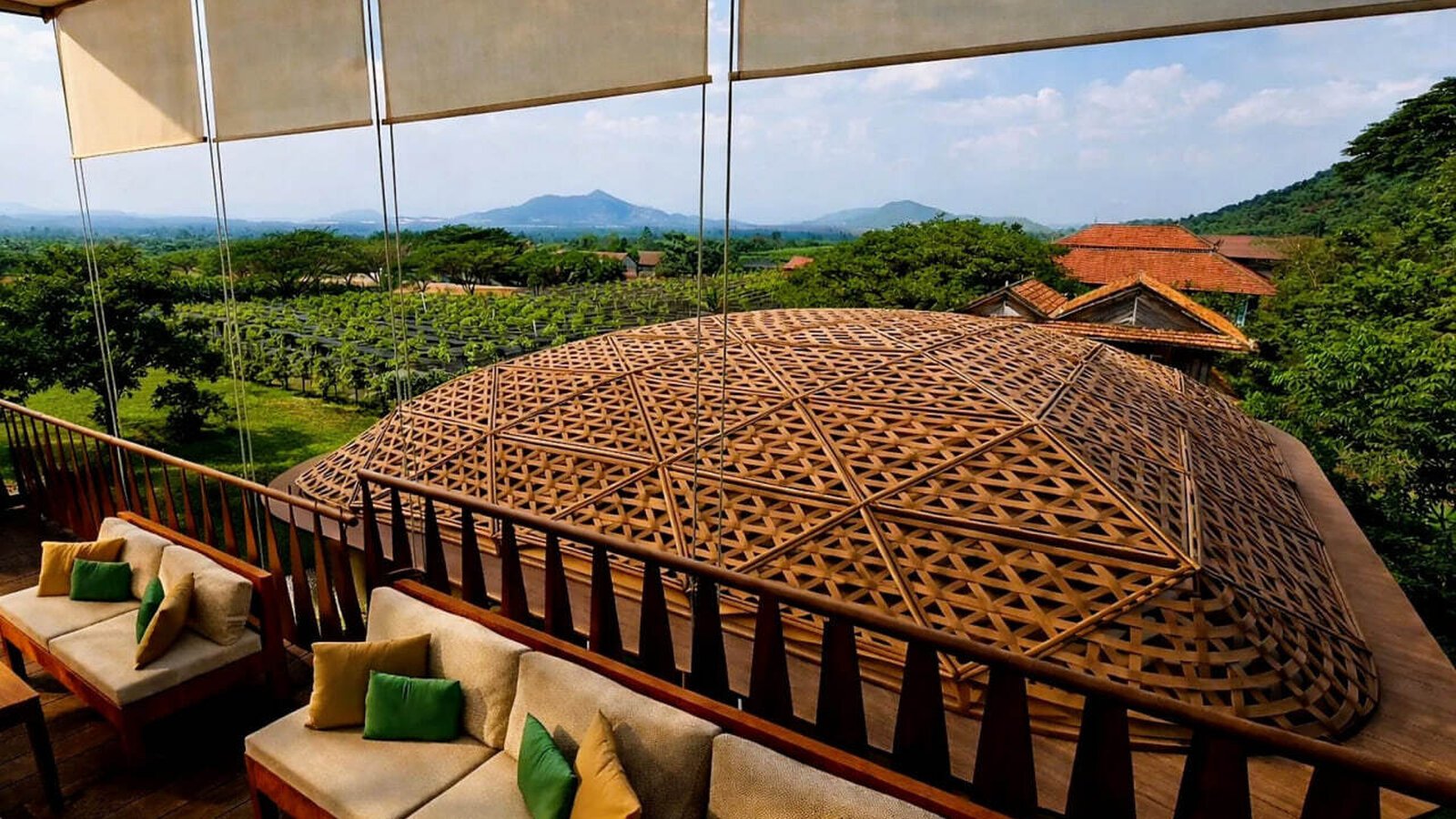
Main photo on this page - When architectural creativity meets social responsibility: The Spice Shop at La Plantation, Kampot, a lightweight structure with tropical ventilation, a patterned roof creating shade and airflow...and strong identity - rooted in place, climate, and local know-how. | Design: K-Architecture - Yvon Chalm Architect | Construction: K-box Solution | Project opening scheduled Oct. 2026.
_______________________
Below: in and looking out the Spice Bar, Kampot (screenshots from TimTripsOut clip, 2025)